
 Book Call with Haroon
Many B2B SaaS companies struggle to scale growth without constantly increasing their ad budget. Paid campaigns stop working the moment you pause spending, and outbound outreach often becomes noisy and inefficient. Content marketing solves this problem by attracting potential customers through helpful, educational content that answers their questions.
Instead of chasing prospects, you create resources that bring them to you. For SaaS companies, this approach builds trust, generates qualified leads, and creates a long-term demand engine that keeps working even when you are not actively selling. This blog explains what content marketing is, why it matters for SaaS growth, and how to build a strategy that drives consistent acquisition.
What Is Content Marketing and Why Does It Matter for B2B SaaS Companies?
Content marketing is a strategy focused on creating useful and relevant content to attract, educate, and convert a specific audience. Instead of directly selling a product, companies provide valuable information that helps prospects solve problems. For SaaS companies, this approach works especially well because software buyers research heavily before making a decision.
Good content meets them during this research phase and builds trust early in the process. Think of content marketing like planting seeds in a garden. Each blog post, guide, or case study becomes a seed that grows into organic traffic, leads, and long-term brand authority.
Content Marketing in the SaaS Context
Content marketing in SaaS focuses on educating prospects about problems and solutions. It often includes blog posts, tutorials, guides, webinars, and research reports. Instead of pushing product features, the goal is to answer questions your ideal customer is already searching for. For example, a project management SaaS might publish content about improving team productivity or managing remote teams. Over time, this educational content positions the company as a trusted expert in its niche.
Why Content Marketing Works for SaaS Growth
SaaS buyers rarely purchase software immediately. They research, compare tools, read reviews, and look for expert opinions. Content marketing supports this long decision journey by providing answers at each stage. A well-written article can bring in thousands of visitors every month without additional cost. Companies like HubSpot and Ahrefs grew largely through content-driven strategies.
Key Business Outcomes of Content Marketing
When done correctly, content marketing creates measurable business results. Common outcomes include:
- Increased organic traffic
- Higher brand authority in the industry
- More inbound leads
- Lower customer acquisition costs
- Better sales conversations
In simple terms, content marketing turns your website into a growth engine instead of just an online brochure.
How Does Content Marketing Drive Scalable Demand Generation for SaaS?
Content marketing drives demand by attracting people who are actively looking for solutions. Instead of interrupting them with ads, it helps them discover your brand through useful information. This creates a natural relationship between your company and potential buyers. Over time, your content becomes a library of answers that continuously generates interest and leads.
The SaaS Demand Generation Flywheel
Demand generation works like a flywheel that gains momentum over time. The content journey usually follows three stages:
Awareness stage: Prospects realize they have a problem. Educational blog posts and industry insights work best here.
Consideration stage: They begin comparing different solutions. Product guides, comparisons, and expert advice help them evaluate options.
Decision stage: Buyers are ready to choose a solution. Case studies, testimonials, and product demos support this decision. Each stage builds trust and moves prospects closer to conversion.
SEO as the Core Engine of Content Marketing
Search engine optimization is the engine behind successful content marketing. When you create content targeting specific keywords, your website begins appearing in search results. Over time, this generates steady traffic without paid advertising. Important SEO elements include:
| SEO Element | Why It Matters |
| Keyword research | Helps identify what prospects search for |
| Topic clusters | Build authority around key subjects |
| Internal linking | Improves navigation and rankings |
| High-quality content | Keeps readers engaged |
SEO turns content into a long-term traffic asset.
Content as a Pipeline Acceleration Tool
Content is not only for attracting visitors. It also supports the sales process. Sales teams often use content to answer objections or explain complex topics. For example, a case study can show how a company solved a problem using your software. This helps prospects feel confident about their decision.
What Types of Content Marketing Work Best for B2B SaaS?

Different types of content support different stages of the buyer journey. A balanced strategy usually includes educational, product-focused, and conversion-driven content. Each format serves a specific role in attracting and converting prospects.
Educational Blog Content
Educational blog posts are the foundation of most content marketing strategies. These articles target search queries that prospects are already researching. For example, someone searching “how to reduce customer churn” might discover a SaaS tool that solves that problem. Helpful articles attract traffic while building credibility.
Product Led Content
Product-led content focuses on showing how the software works in real situations. Examples include:
- Feature tutorials
- Integration guides
- Step-by-step walkthroughs
- Product use cases
This type of content helps prospects visualize how the product fits into their workflow.
Authority Building Content
Authority content positions a company as a leader in its industry.
Examples include:
- Industry research reports
- Market trend analysis
- Expert interviews
These pieces often attract backlinks and strengthen SEO performance.
Conversion Focused Content
Conversion-focused content helps prospects make a final decision. Examples include:
- Case studies
- Comparison pages
- Customer success stories
- Product reviews
These resources show real results and reduce purchase hesitation.
How to Build a High-Performance SaaS Content Marketing Strategy

A successful content marketing strategy does not happen by accident. It requires planning, research, and alignment with business goals. Companies that treat content as a growth channel usually outperform competitors that publish randomly.
1- Define the Ideal Customer Profile (ICP)
Before creating content, you must clearly understand your ideal customer. Important questions include:
- What industry do they belong to
- What problems do they face
- What tools are they currently using
When content speaks directly to a specific audience, it becomes much more effective.
2- Perform Strategic Keyword Research
Keyword research identifies topics people search for online. Tools like Ahrefs, SEMrush, and Google Keyword Planner help uncover valuable opportunities. A good keyword strategy focuses on:
- High intent search queries
- Moderate competition keywords
- Long tail phrases with clear intent
This ensures your content reaches the right audience.
3- Develop a Topic Cluster Strategy
Topic clusters organize content around a central theme. For example, a marketing automation SaaS might create a pillar page on “email marketing automation” supported by related articles. Example cluster:
| Pillar Topic | Supporting Content |
| Email automation | drip campaigns |
| Email automation | automation tools |
| Email automation | workflow examples |
This structure helps search engines understand your expertise.
4- Align Content With the SaaS Sales Funnel
Content must support every stage of the customer journey. Typical funnel structure includes:
Top of funnel: Educational guides and problem-solving content.
Middle of funnel Comparison articles and product-focused resources.
Bottom of funnel: Case studies, testimonials, and pricing information. When content matches the buyer’s intent, conversion rates improve significantly.
How Can SaaS Companies Measure Content Marketing Performance?
Content marketing should always connect to measurable results. Many teams focus only on traffic numbers, but the real goal is revenue growth. Tracking the right SaaS metrics ensures your strategy stays aligned with business goals.
Traffic and SEO Metrics
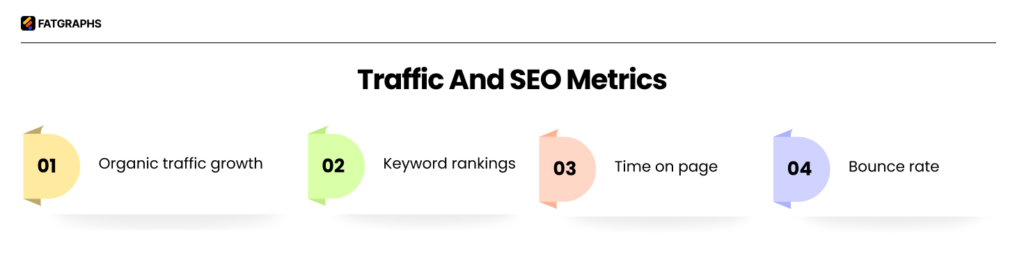
Traffic metrics help evaluate the reach of your content. Key indicators include:
- Organic traffic growth
- Keyword rankings
- Time on page
- Bounce rate
These metrics show whether your content attracts and engages readers.
Lead Generation Metrics

Lead metrics reveal whether visitors are turning into prospects. Important indicators include:
- Email signups
- Marketing qualified leads
- Demo requests
- Downloaded resources
These signals show how effectively content converts readers into potential buyers.
Revenue Impact Metrics
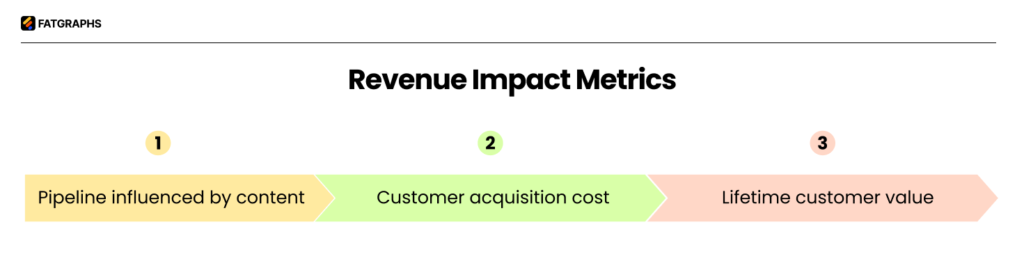
The most important measurement is revenue impact. Key metrics include:
- Pipeline influenced by content
- Customer acquisition cost
- Lifetime customer value
When content contributes to sales, it becomes a strategic growth asset.
Common Content Marketing Mistakes SaaS Companies Should Avoid

Even experienced teams sometimes make mistakes that limit results. Understanding these issues helps companies build stronger strategies.
Publishing Without a Clear SEO Strategy
Many companies publish blog posts without researching keywords. Without search demand, even high-quality content may never reach an audience. A simple keyword strategy ensures your content addresses real search queries.
Ignoring Buyer Intent
Content must match what readers actually want to learn. If someone searches for “best CRM tools,” they expect comparisons and recommendations. Providing unrelated content leads to frustration and high bounce rates. Understanding search intent improves engagement.
Lack of Content Distribution
Publishing alone is not enough. Successful teams promote content through:
- LinkedIn posts
- Email newsletters
- industry communities
Distribution multiplies the reach of every article.
Measuring Vanity Metrics
Traffic numbers look impressive, but do not always translate into business growth. Instead, focus on metrics tied to leads and revenue.
Is Content Marketing the Most Sustainable Growth Channel for SaaS?
Yes, content marketing is one of the most sustainable growth channels for SaaS companies. Unlike paid advertising, content keeps generating results long after it is published. A single high-ranking article can bring visitors for years. When companies combine strong SEO, helpful content, and consistent publishing, they create a demand engine that compounds over time. If your SaaS company wants predictable inbound growth, start by identifying the most valuable questions your audience asks. Then create content that answers those questions better than anyone else.
FAQs
Q1- What is the main goal of content marketing in SaaS?
The main goal of content marketing in SaaS is to attract and educate potential customers before they buy software. Instead of direct selling, companies provide helpful information that solves real problems. Over time, this builds trust and turns readers into qualified leads.
Q2- How long does content marketing take to generate results?
Content marketing usually takes three to six months before noticeable results appear. Search engines need time to index content and evaluate its quality. However, once articles start ranking, they can generate traffic and leads for years.
Q3- What type of content generates the most SaaS leads?
Educational blog posts, comparison articles, and case studies often generate the highest number of leads. These formats address real buyer questions and help prospects evaluate solutions. When combined with clear calls to action, they guide readers toward product demos or trials.
Q4- How often should SaaS companies publish content?
Consistency matters more than volume. Many successful SaaS companies publish four to eight high-quality articles each month. A steady publishing schedule helps build authority and improve search engine visibility over time.
Q5- Is content marketing better than paid advertising?
Content marketing and paid advertising serve different roles. Paid advertising provides immediate visibility and quick testing opportunities. Content marketing builds long-term organic traffic and sustainable demand generation. The best strategy often combines both approaches.