
 Book Call with Haroon
A good B2B SaaS ICP development for early-stage SaaS focuses on situational triggers, not demographic categories. After analyzing 200+ founder conversations, I found that 73% of them have an ideal SaaS customer definition by who they are, not what drives them to buy.
When Rudy launched Naviflow, an AI shipment management platform, he told me his good ICP definition for early-stage SaaS was “SME’s in all economic sectors shipping more than 50 cross-border shipments per year.” Clean demographic box. Clear size criteria. Completely useless for marketing.
Six weeks later, he discovered something different. The companies that actually bought weren’t defined by shipment volume. They were defined by a specific breaking point: manual tracking systems fail during peak seasons, causing missed deliveries and angry customers. The trigger wasn’t “50+ shipments annually,” it was “manual systems breaking down.”
This pattern repeats across all stages and verticals. Founders who succeed early pivot from demographic boxes to situational triggers. Those who don’t spend months targeting people who fit their criteria but have no reason to change.
When Your Tax Software Targets Everyone Who Files Taxes
Siyotekonen built Storatax, a tax preparation tool for Canadian and US taxpayers. His initial ICP reads a demographic shopping list: “Individual rental property owner, UBER driver, Lift driver, DOORDASH driver, taxi driver, courier delivery driver, real estate agent, self-employed working on the road.”
Notice the pattern? All job titles. All demographic categories. Zero indication of when these people would actually buy tax software.
The real insight came from understanding the trigger: gig workers facing their first year with multiple income streams, realizing their previous tax software can’t handle the complexity. Not “gig workers”. “Gig workers are hitting tax complexity they’ve never managed before.”
This distinction changes everything about how you market. Instead of targeting “Uber drivers” on Facebook, you target people searching “how to file taxes with multiple 1099s” during peak anxiety seasons.
The Platform That Attracted Zero Authors with Perfect Demographics
BookBackr’s founder, Melissa, knew exactly who she wanted: “Indie authors are my target audience right now.” Demographic perfection. Clear role definition. Completely missed the actual buying moment.
The breakthrough happened when she stopped thinking “indie authors” and started thinking “authors frustrated with Amazon’s algorithm changes affecting their visibility.” Same people, different triggers. One targets a job title that may or may not have a problem. The other targets the exact moment someone becomes ready to try a new platform.
The difference showed up immediately in messaging. “Platform for indie authors” gets ignored. “Escape Amazon’s algorithm lottery” gets clicked.
Why Demographics Feel Safe but Situational Triggers Work
From my 200+ conversations, founders who define B2B SaaS ICPs demographically share the same false comfort: clear targeting criteria that feel actionable. Jacob defined his cybersecurity certification customers as “small companies with an IT presence who don’t have Cyber Essentials certification.” Perfectly segmentable. Completely ignores timing.
The actual trigger: small companies facing their first compliance requirement from a larger client or government contract. Without that pressure, “companies without certification” means “companies that haven’t seen the point yet.”
Jakub learned how to build his AI debugging platform. His demographic ICP: “Freelance programmers, Software development companies, Internet Startups.” His situational ICP: “Development teams spend 40% of their time reproducing bugs from unclear user reports.”
One describes who might need your product. The other describes when they buy it.
The Geography Trap That Costs You, Customers
Geographic boundaries appear in 8 of these 12 founder conversations. Jacob focuses “entirely on UK customers, with a focus on Scotland.” Doug built his lottery tool “regional to Texas, USA.” Clean target. Massive blind spot.
Geography matters in compliance, delivery, and competition. It doesn’t create buying intent. A Texas lottery player doesn’t buy analysis software because they live in Texas; they buy it when they realize they’re losing money on tickets with terrible odds.
The geographic focus makes founders think locally but miss the universal trigger that drives purchase decisions across any location.
The ICP Definition for Early-Stage SaaS That Fixes This: The Trigger-First ICP
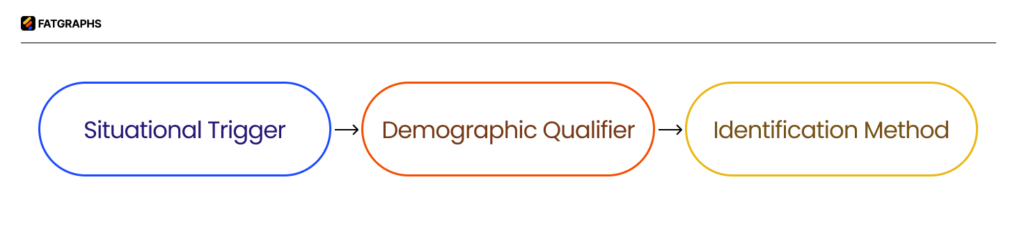
After reviewing patterns across all conversations, the solution becomes clear. The Trigger-First ICP is a SaaS customer definition that starts with the situation that creates buying intent, then adds demographic qualifiers. It works by identifying the specific moment when the status quo becomes unacceptable, then describing who experiences that moment most acutely.
Apply it by answering three questions in order:
1. What situation makes someone actively search for a solution like yours?
2. Who experiences this situation most intensely?
3. How can you identify when this situation is happening?
Kevin initially described his Playtrybe platform customers as “travelers, people searching for specific hobbies, people going on vacation.” After applying the framework: “People planning their first solo travel experience to an unfamiliar destination, wanting local insider guidance beyond generic travel blogs.”
Same demographic core (travelers) but now built around a trigger (first solo trip + unfamiliar destination + wanting insider knowledge).
When Technical Founders Define ICPs Like Features
Technical founders, 9 of these 12, consistently define ICPs like product specifications. Mouad: “developers in geospatial and GIS.” Ali: “Software companies, for example, are creating booking systems for hotels.”
Feature-like precision. Zero emotional resonance.
The fix requires stepping outside technical comfort zones into emotional triggers. Mouad’s good ICP definition for early stage SaaS: “GIS developers frustrated with clunky, expensive tools that require extensive setup for simple spatial analysis tasks.”
Not “GIS developers,” “GIS developers hitting friction they didn’t expect.”
The Revenue Impact of Getting This Right
Yaser defined his Digital Cortex productivity app users as “regular/average person, not the tech-savvy type who find usual project management tools like Asana, Trello complex and overwhelming.”
Hidden in that definition: the trigger. “Find usual tools complex and overwhelming.” The demographic wrapper (“regular/average person”) adds nothing. The situational core (“overwhelmed by existing tools”) drives everything.
This precision changes messaging, channel selection, and timing. You don’t target “non-technical people” everywhere. You target people actively struggling with project management complexity in forums, reviews, and search terms where that frustration surfaces.
The Bottom Line
Most founders good ICP definition for early stage SaaS is by demographic categories because it feels concrete and targetable. But demographics describe who might buy, and situational triggers describe when they will buy. Early stage SaaS target customers’ success comes from finding people in active buying situations, not broad demographic segments hoping to eventually have a problem. The Trigger-First ICP framework forces you to start with the situation that creates urgency, then add demographic qualifiers to make it actionable. Apply this by identifying the specific moment when the status quo becomes unacceptable for your potential SaaS customers, then build your entire go-to-market strategy around reaching people experiencing that moment right now.
FAQs
1- What’s the difference between demographic and situational targeting for early-stage SaaS?
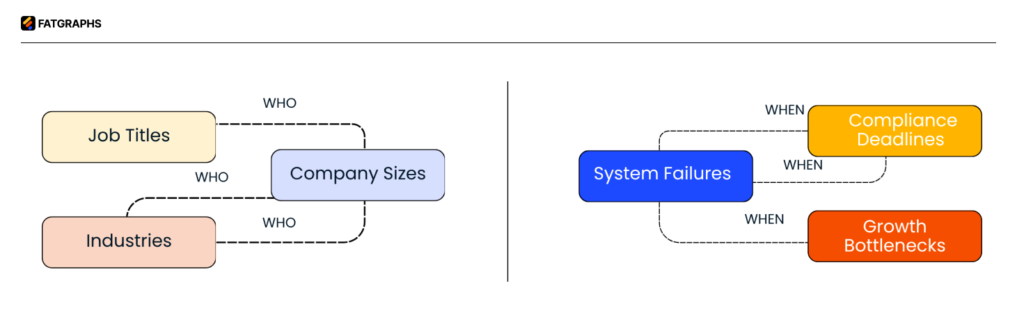
Demographic targeting describes who your customer is (job title, company size, industry), while situational targeting describes when they become ready to buy (specific pain points, triggers, or breaking points). Demographics tell you the market size; situations tell you buying intent. Early-stage SaaS needs buying intent more than market size.
2- How do I identify the situational triggers that matter for my SaaS product?
Ask existing customers or prospects: “What was happening in your business the week you started looking for a solution like ours?” Focus on the specific event, deadline, or frustration that made them actively search. Look for patterns in timing seasonal pressures, growth stages, compliance deadlines, or system failures that create urgency.
3- Can I use both demographic and situational criteria in my ICP?
Yes, but lead with situational triggers first. Start with “companies experiencing X problem,” then add “typically found in Y industry or Z size range.” This keeps buying intent as your primary filter while adding practical targeting constraints that make marketing campaigns actionable.
4- How specific should my situation trigger be for early-stage targeting?
Specific enough that you can identify when it’s happening to someone. “Struggling with manual processes” is too vague. “Spending 40% of development time reproducing bugs from unclear user reports” is specific enough to target through content, ads, and outreach. You should be able to complete this sentence: “I can find these people when they’re…”
5- What if my situational trigger doesn’t happen frequently enough to sustain growth?
Either your trigger is too narrow, or you’re not seeing the broader pattern. Look for related situations that create similar urgency. If “manual tracking failing during peak season” only happens quarterly, expand to “any time manual processes become the bottleneck for growth.” The core frustration stays the same, but the timing becomes more frequent.